Valentine Bow
First Impression: Sweet, Sentimental, and Shelf-Ready
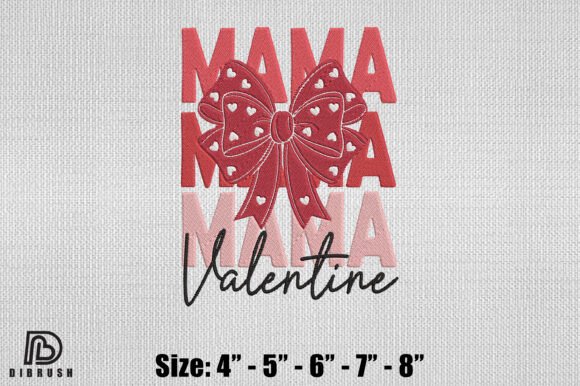
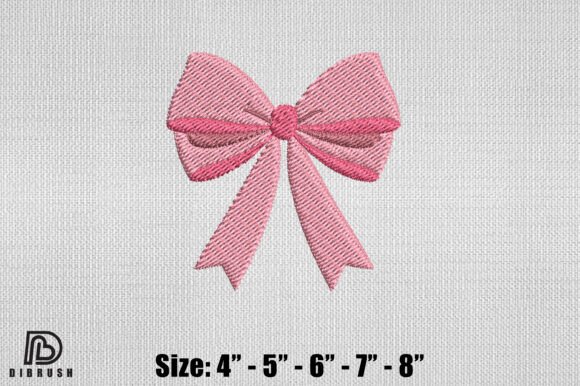
As an embroidery designer who’s prepped over 200 craft fair booths—and shipped thousands of machine embroidery designs to Etsy sellers and boutique makers—I opened Valentine Bow expecting charm. What I got was something sharper: a design that feels both tender and intentional. It reads as soft festive, not cutesy; handmade premium, not mass-produced. There’s no glitter, no cartoon hearts—just clean curves, balanced proportion, and implied movement in the ribbon. That matters. At a craft fair, where shoppers glance for under three seconds, Valentine Bow earns attention without shouting. It lands somewhere between modern farmhouse and quiet elegance—versatile enough for a linen tea towel or a structured denim tote, but distinct enough to feel curated, not generic.
Where Valentine Bow Shines on Craft Fair Products
Not every embroidery file translates equally across substrates. Here’s how Valentine Bow performs where it counts:
- Tote bag design: Ideal as a centered chest accent (4–5" wide). The bow’s symmetry reads clearly from across the aisle—even on canvas or textured market bags. No competing patterns needed.
- Apron embroidery: Perfect above the pocket or centered on the bib. Its vertical flow complements apron lines and avoids visual clutter near ties or seams.
- Tea towel embroidery: Works beautifully in the lower corner or centered mid-panel. On terry cloth or waffle weave, the stitch density holds up if stabilized properly—no sinking or puckering.
- Embroidered patch: A natural fit. Clean outer edge, minimal internal detail—cuts cleanly, sews or irons smoothly onto jackets, pouches, or caps.
- Fabric pouch & pillow cover: Scales well. As a 3" motif on a small zip pouch, it feels intentional—not cramped. On a 16" pillow cover, it anchors one corner without overwhelming.
- Caps & curved surfaces: Proceed with caution. The bow’s gentle arc adapts better than angular motifs, but test on scrap first—especially with thick twill or structured crowns.
What Makes Valentine Bow Sell—Beyond the Stitch
This isn’t just about prettiness. It’s about perceived value. When customers see Valentine Bow on a handmade product, they register: care, occasion-specific thoughtfulness, and tactile warmth. That emotional resonance lifts price tolerance—especially for small shop products priced $28–$48. In booth displays, pairing it with neutral fabrics (oatmeal linen, charcoal denim, ivory cotton) lets the bow breathe and signals sophistication. For Etsy sellers, it photographs cleanly: no tiny lettering to blur, no dense fill areas that muddy in natural light. And yes—it’s repeatable. You can batch-produce 30 embroidered tea towels in an afternoon without redesigning spacing or re-hooping constantly.
Careful-Use Notes Every Embroidery Designer Should Check
Even sweet designs have limits. Before cutting fabric or loading your embroidery file:
- Avoid ultra-dense stitch zones on textured towels. If the description hints at heavy satin stitch fills, use tear-away + cutaway stabilizer combo—not just one.
- Small details matter on dark fabric. Test thread colors against black, navy, or burgundy. A pale pink bow may vanish without contrast stitching or subtle outline.
- Don’t shrink below 2.5". Delicate loops and ribbon ends lose clarity. Use it as a focal—not a border motif.
- Curved cap surfaces demand hooping precision. The bow’s symmetry can warp if fabric shifts mid-stitch. Always baste or use adhesive stabilizer.
- Thick fabrics (denim, canvas, quilted pouches) need needle + stabilizer recalibration. Skip standard poly—go for firm cutaway or woven fusible.
Real-World Designer Prep Checklist
I never launch a craft fair product without this routine—and neither should you:
- Test the Valentine Bow embroidery file on scrap fabric matching your final product (e.g., flour-sack cotton for tea towels, medium-weight twill for aprons).
- Check thread contrast in daylight—not just under studio lights. What reads warm in person may look washed out online.
- Review spacing between bow elements. Does the loop sit comfortably above the knot? Does the ribbon tail clear seam allowances?
- Confirm hoop size compatibility. If it requires a 5x7 or larger, note that for booth prep—some machines max out at 4x4.
- Inspect stitch density visually. High-density fills trap moisture on kitchen textiles; moderate density breathes better.
- Use the right stabilizer—no shortcuts. A lightweight tear-away won’t support satin stitch on terry cloth.
- Create at least one real mockup: embroidered, pressed, and styled as it’ll appear on your table or Etsy listing.
- Compare fabric colors side-by-side. Ivory vs. cream vs. natural linen changes how red or rose thread reads.
- Verify commercial licensing terms before selling finished products. This is non-negotiable for Etsy sellers and wholesale partners.
Final Thought: Why Valentine Bow Fits Your Handmade Strategy
In a sea of generic hearts and “Be Mine” scripts, Valentine Bow stands out by doing less—and meaning more. It’s not loud, but it’s memorable. Not flashy, but it feels special. For craft fair sellers, it’s booth-ready: photogenic, scalable, emotionally resonant. For digital embroidery sellers, it’s a clean, licensable asset that pairs easily with other Valentine S Day designs—without visual fatigue. And for the maker stitching late into the night before Saturday’s market? It’s predictable, professional, and quietly confident. Every stitch truly does add tangible sentiment. That’s not marketing copy—that’s what makes a handmade product feel like a gift, not just merchandise.